
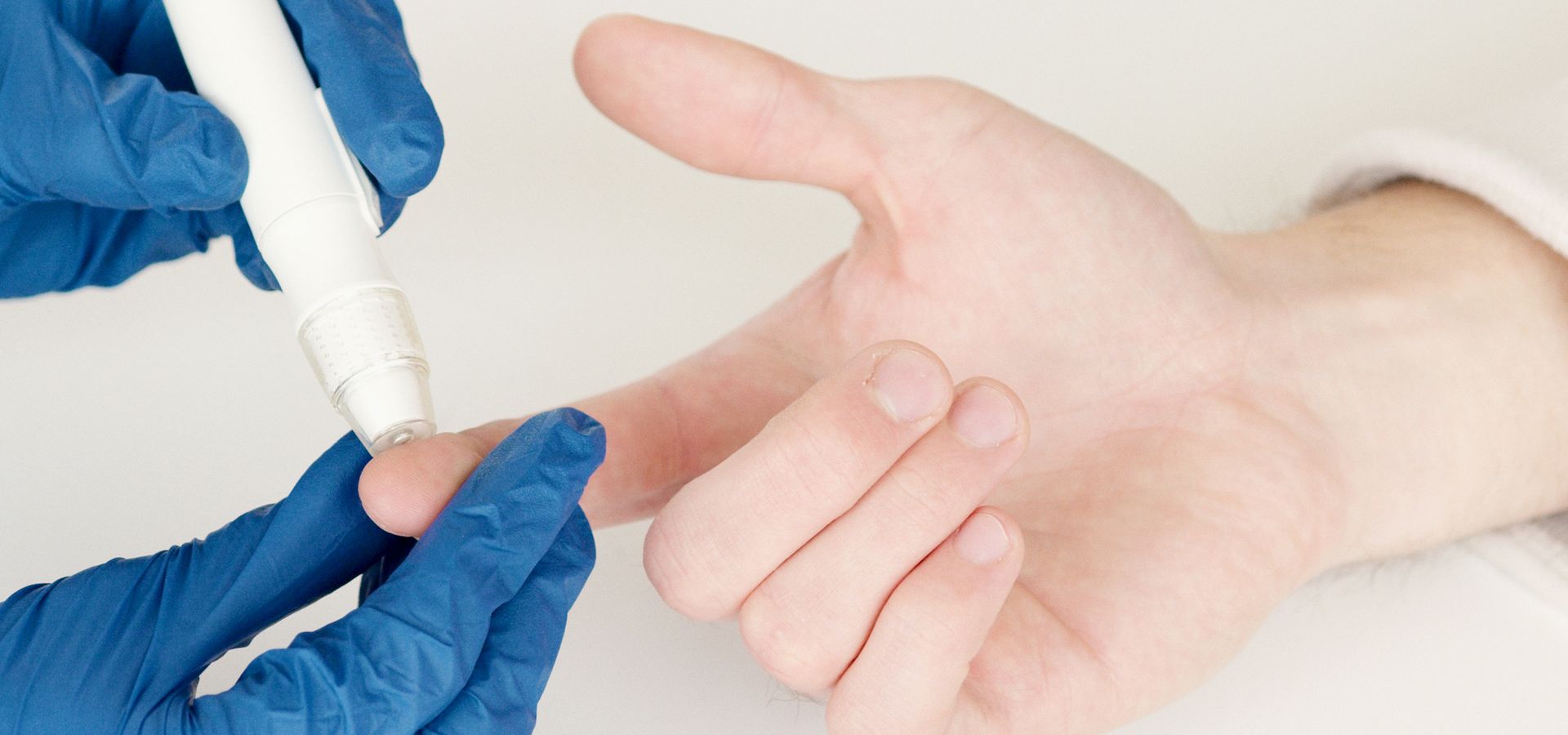
Type 1
The body's immune system damages the insulin-making cells of the pancreas, so little or no insulin is produced. It needs insulin treatment from the start.
Diabetes care
Diabetes can be managed well with the right guidance and a good treatment plan. Our doctors help you keep your sugar in range and live a healthy life.
About the clinic

Diabetes is one of the most common long-term health conditions of our time. The good news is that, with the right care and a good treatment plan, it can be managed well. The important thing to know is that, left uncontrolled, it can cause serious complications, and some of them can be life-threatening.
High blood sugar interferes with the heart, the eyes and the nerves, among other organs. If it is found late, or goes untreated, the damage can be severe. That is why it helps to have a sugar clinic beside you: a team that guides you, treats you, and helps you stay well.
At Apollo Sugar Clinic we focus on you as a person, not just on your sugar reading. We are committed to giving you the right guidance and the right treatment, so that you are well protected.
Insulin is a hormone made by the pancreas. It moves sugar (glucose) from your blood into your cells for energy. In diabetes, the body does not make enough insulin, or cannot use it properly, so glucose builds up in the blood.
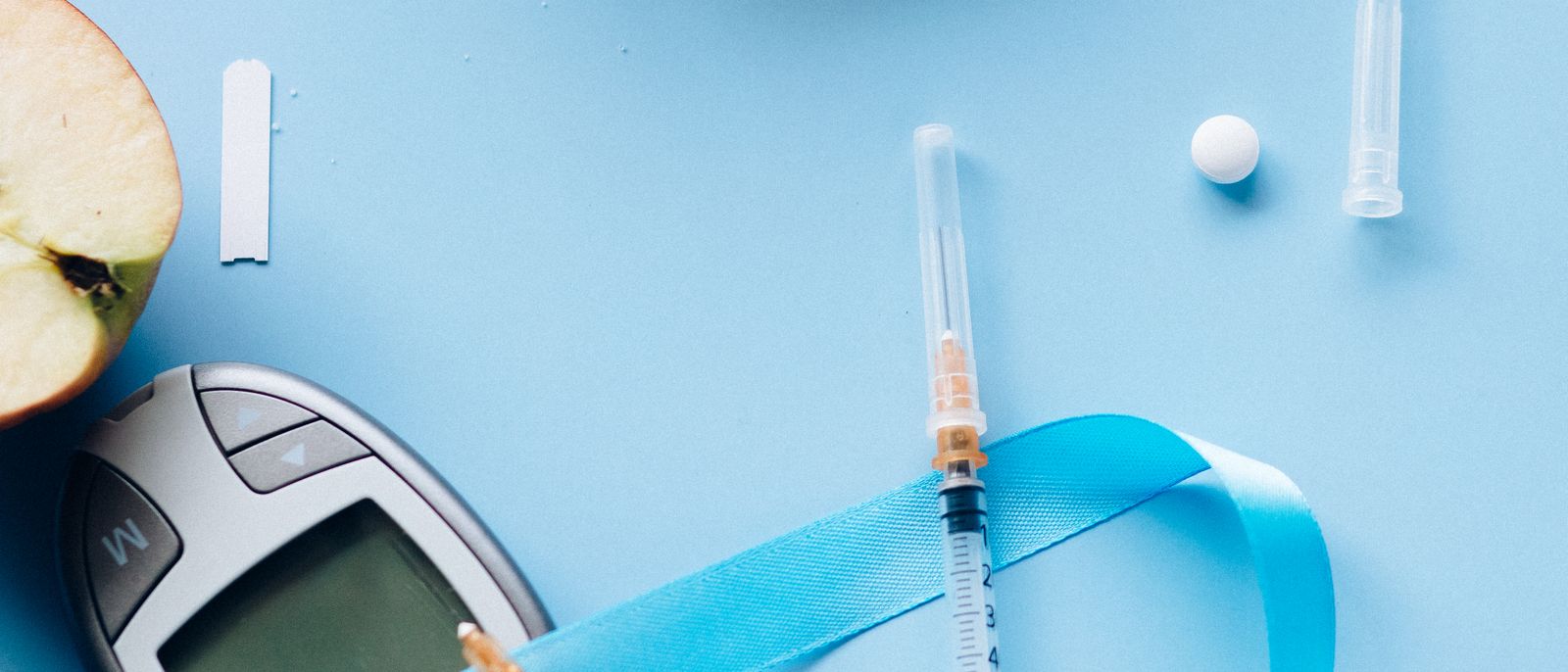
The body's immune system damages the insulin-making cells of the pancreas, so little or no insulin is produced. It needs insulin treatment from the start.
The most common type. The body does not respond well to insulin (insulin resistance) and, over time, does not make enough. It is linked to age, weight, inactivity and family history.
High blood sugar first found during pregnancy. It usually settles after delivery, but it raises the mother's later risk of type 2 diabetes.
Blood sugar is higher than normal but not yet in the diabetes range. This is the best moment to act: healthy changes can delay or prevent type 2 diabetes.
| Test | Normal | Prediabetes | Diabetes |
|---|---|---|---|
| Fasting blood glucose | Below 100 mg/dL | 100–125 mg/dL | 126 mg/dL or higher |
| HbA1c (average of ~3 months) | Below 5.7% | 5.7–6.4% | 6.5% or higher |
| 2-hour glucose after a 75 g glucose drink | Below 140 mg/dL | 140–199 mg/dL | 200 mg/dL or higher |
Commonly used reference ranges (American Diabetes Association). Diabetes is confirmed by a doctor, usually with a repeat test, and a random glucose of 200 mg/dL or more with classic symptoms also points to diabetes. Only a doctor can diagnose you.
Type 2 diabetes can be silent for years, so many people have no symptoms at first. If you have any of these, or a family history of diabetes, get your sugar tested.

Blood sugar that stays high for years slowly damages blood vessels and nerves all over the body. Most of this damage is silent at first, which is why early testing and steady control matter.

Over the years, high sugar damages blood vessel walls and speeds up the build-up of fatty deposits. This raises the risk of heart attack, stroke and poor circulation in the legs.
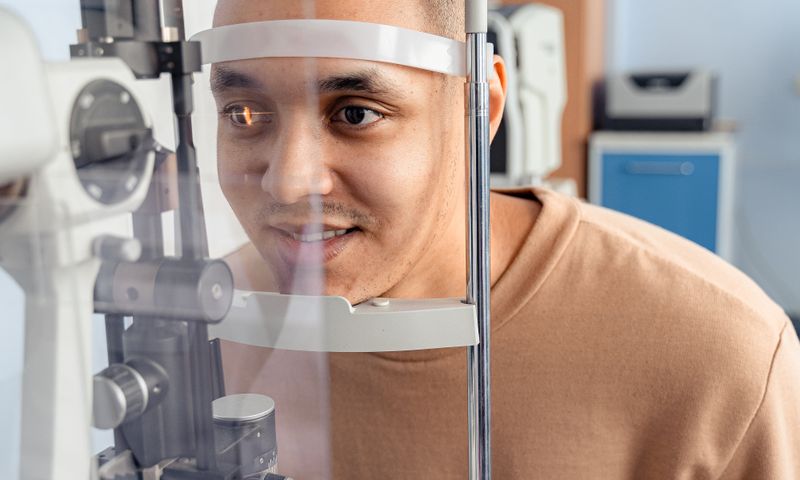
The tiny blood vessels of the retina can leak or become blocked (diabetic retinopathy). It can cause vision loss and often gives no warning until late. Diabetes also raises the risk of cataract and glaucoma.
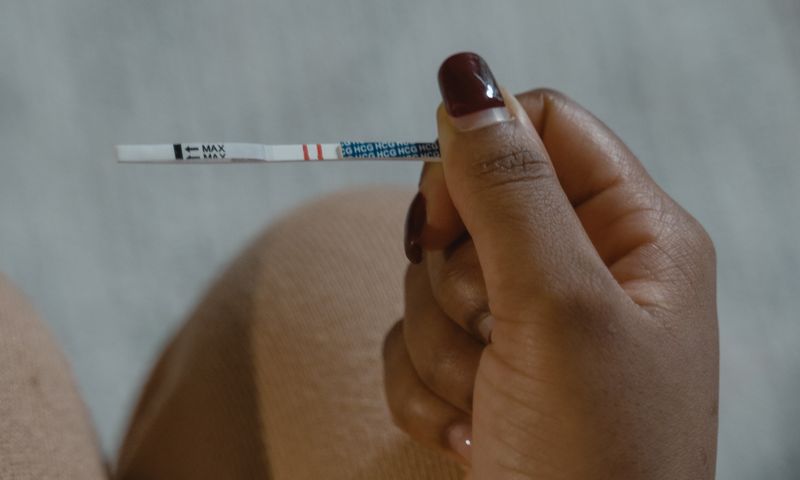
The kidneys' fine filters can be damaged (diabetic kidney disease). It usually causes no symptoms at first, and can progress to kidney failure if it is not found and treated.

High sugar injures nerves (neuropathy). It commonly causes tingling, burning pain or numbness in the feet and hands, and can also affect digestion, bladder control and blood pressure.

Numb feet and poor blood flow mean small cuts and blisters go unnoticed and heal badly. Foot ulcers and infections can develop, and in severe cases may lead to amputation.
High sugar weakens the body's defences. Skin, gum and urinary infections are more common, and they take longer to clear.
Sudden emergencies can happen too. Very high blood sugar with vomiting, stomach pain, fast breathing, drowsiness or confusion needs urgent hospital care. So does very low blood sugar that does not improve after taking sugar, or that causes fainting.
The good news
Most of the harm from diabetes is preventable, or can be slowed, when it is found early and managed steadily. Here is what good care can do for you:


Balanced meals, with attention to portions and to refined carbohydrates and sugary drinks. A dietitian can tailor this to you.
Adults are advised to aim for around 150 minutes of moderate activity a week, such as brisk walking, unless your doctor advises otherwise.
Never stop or change diabetes medicines or insulin on your own. If you feel unwell or your sugars are off, call your doctor.
HbA1c is usually checked every 3 to 6 months, along with blood pressure and cholesterol. Your doctor will set your schedule.
A dilated eye exam, kidney tests (urine albumin and blood creatinine) and a full foot examination, at least once a year.
Our treatment model offers 30, 90 and 360-day packages, planned around your health condition and the time your treatment needs. Ask our team which one suits you.
30 Days
A focused start to your treatment.
90 Days
A longer plan, so your treatment can be adjusted as you progress.
360 Days
A full year of care, planned for long-term control.
Our aim is high-quality service and assured diabetes care across India, through the Apollo network, with a focus on you as an individual rather than on the condition alone.
Consult a diabetes specialist at Apollo Clinic Zoo Road.

Medicine & Diabetes
11+ years of experience
MBBS, MD, PGDFM (Family Medicine, CMC Vellore), FID (Fellowship in Diabetes Mellitus, RLA UK), Masterclass in Diabetes Mellitus (MCDM, Indraprastha Apollo Hospital, New Delhi), Dip CMH (Diploma in Community Mental Health, NIMHANS, Bengaluru)
Consultation fee: ₹600/-
Book an Appointment
Diabetes
MBBS, Diabetologist, CCDM, CCMH, CCEBDM
Consultation fee: ₹700/-
Book an AppointmentType 1 diabetes needs lifelong insulin. Type 2 diabetes can be controlled very well, and in some people, with sustained weight loss and lifestyle change, blood sugar returns to the normal range without medicines (remission). It still needs regular monitoring, because it can return.
A fasting blood glucose test needs you to have nothing but water for about 8 hours beforehand. HbA1c and random glucose tests do not need fasting. Our team will tell you what your test needs.
Usually every 3 months if your sugar is not yet at target or your treatment has changed, and at least twice a year once it is stable. Your doctor will advise what is right for you.
Signs are shaking, sweating, sudden hunger, confusion or a racing heart. If you are awake and able to swallow, take 15 g of fast-acting sugar, such as glucose tablets or half a cup of fruit juice, recheck after 15 minutes, and tell your doctor. If someone is drowsy, cannot swallow or has fainted, get emergency help immediately.
This page is for general information and does not replace advice from your doctor.
Book a consultation with our diabetes doctors, or get a sugar test done at our diagnostic centre.